INSTITUTIONAL PROFILE OF SORSOGON STATE UNIVERSITY
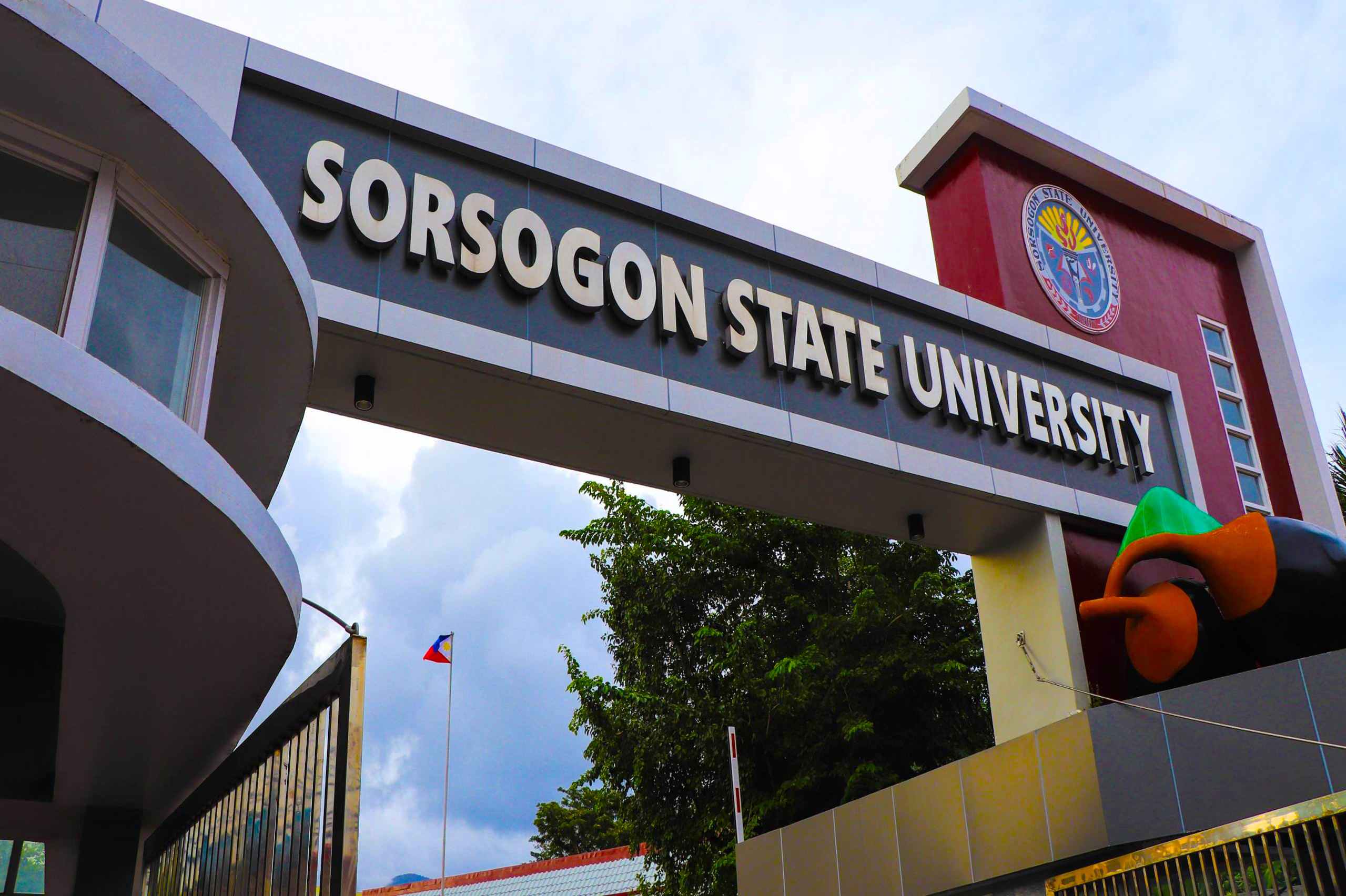
The Sorsogon State University (SorSU), then Sorsogon Provincial Trade School was established in 1907 as an elementary school which trained students with aptitude in the trades for immediate employment. Situated in a two-hectare campus, a portion of which is part of the present SorSU Sorsogon City Campus, the school initially offered woodworking as the only trade course for intermediate pupils. In the School Year 1926-1927, the school began offering a secondary course and eventually phased out the elementary program. Then in 1950, it opened its doors to women for courses on food trades, cosmetology, or dressmaking for specialization.
By virtue of Republic Act No. 704, dated May 14, 1952, it was renamed Sorsogon School of Arts and Trades (SSAT). The shop course offerings were expanded to include architectural drafting, building construction, electricity, and furniture and cabinet making. Two years later, the two-year technical course with specialization in the same trades as those for the secondary course was introduced. Soon machine shop practice, radio mechanics, automotive mechanics, and refrigeration and air conditioning were added as major courses.
On April 17, 1977, the Secretary of Education and Culture approved the school’s conversion into a tertiary institution as Sorsogon College of Arts and Trades (SCAT). With its new status, it began to offer Bachelor of Science in Industrial Technology. These courses promptly attracted enrollees, some of whom were graduates of the two-year technical course who, after having been out of school for a time, were given an opportunity to earn degrees. The first few batches of graduates easily found employment in the locality as well as in Metro Manila and abroad.
As early as the mid-1970s during the term of Rep. Rafael C. Aquino, plans for the conversion of the school into a state college were brought about. Assemblyman Augusto G. Ortiz showed interest in pursuing a conversion move at the Batasang Pambansa, but there was a moratorium on creation of state colleges and universities.
From the late 1970s through the early 1990s, SCAT, as an institution under the Bureau of Vocational Education, had strong support from the national government and some international organizations. Under the Technical-Vocational Education Project (TVEP), many faculty members were recipients of scholarships in both the vocational and academic fields. As one of the ten PATVEP schools in the country, SCAT obtained special funding for the offering of Diploma in Technology. Many faculty members were sent to Australia for one-year training in technical fields under the Philippine Australia Technical-Vocational Education Program (PATVEP). Moreover, the school was a recipient of a number of machines and equipment for mechanical technology, automotive technology, civil technology and electrical technology from the Australian government. Some faculty members were also given the opportunity to study abroad through the Colombo Plan.
It was in the early 1990s when the conversion plans were seriously considered and pursued primarily through the efforts of Rep. Salvador H. Escudero III. While working for the passage of House Bill No. 4210, the congressman in coordination with the SCAT Officer-In-Charge, Dr. Bonifacio H. Ativo, initiated school-based activities in preparation for the transition. After the passage of the bill by the House, Sen. Leticia Ramos Shahani pushed for its passage in the Senate.
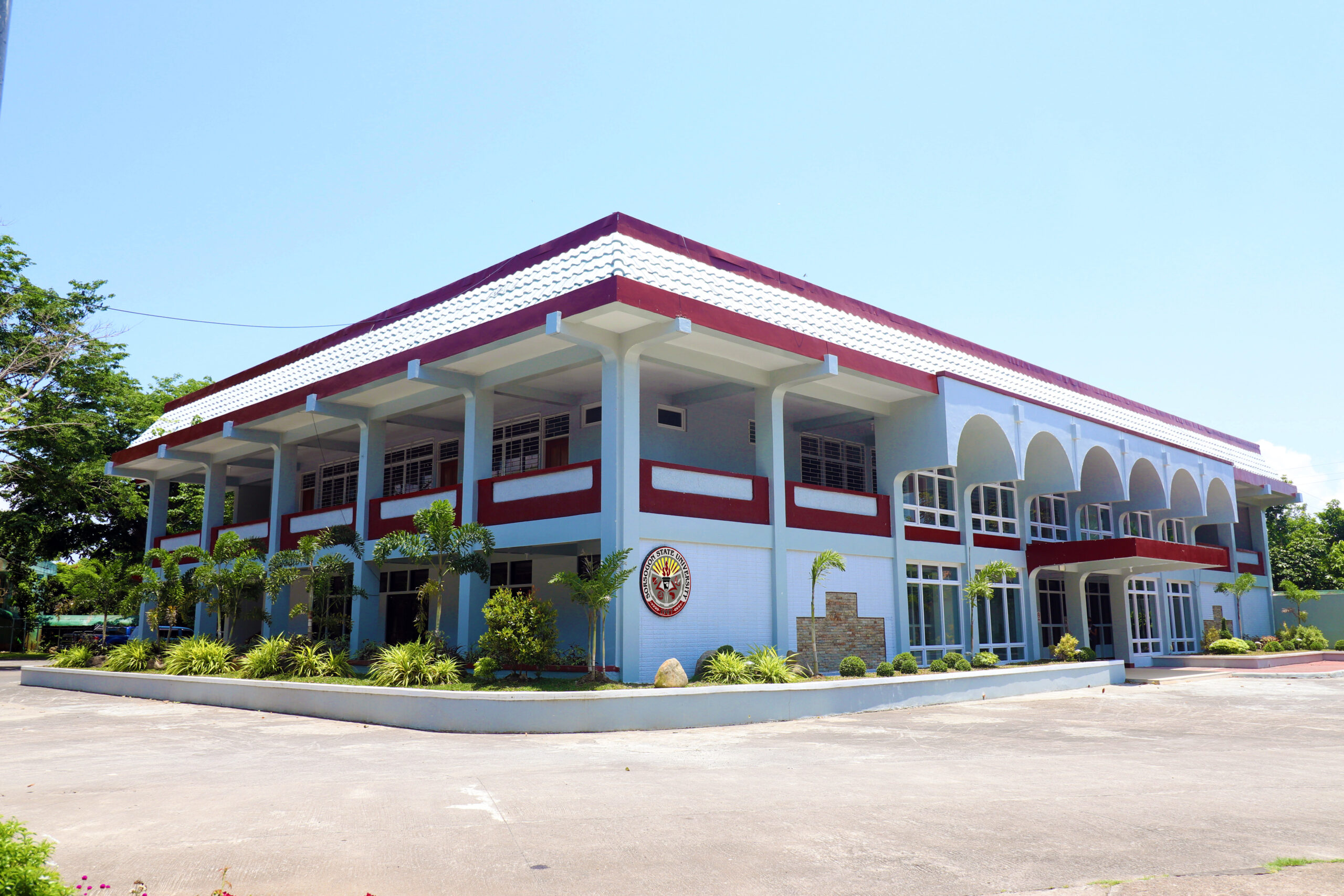
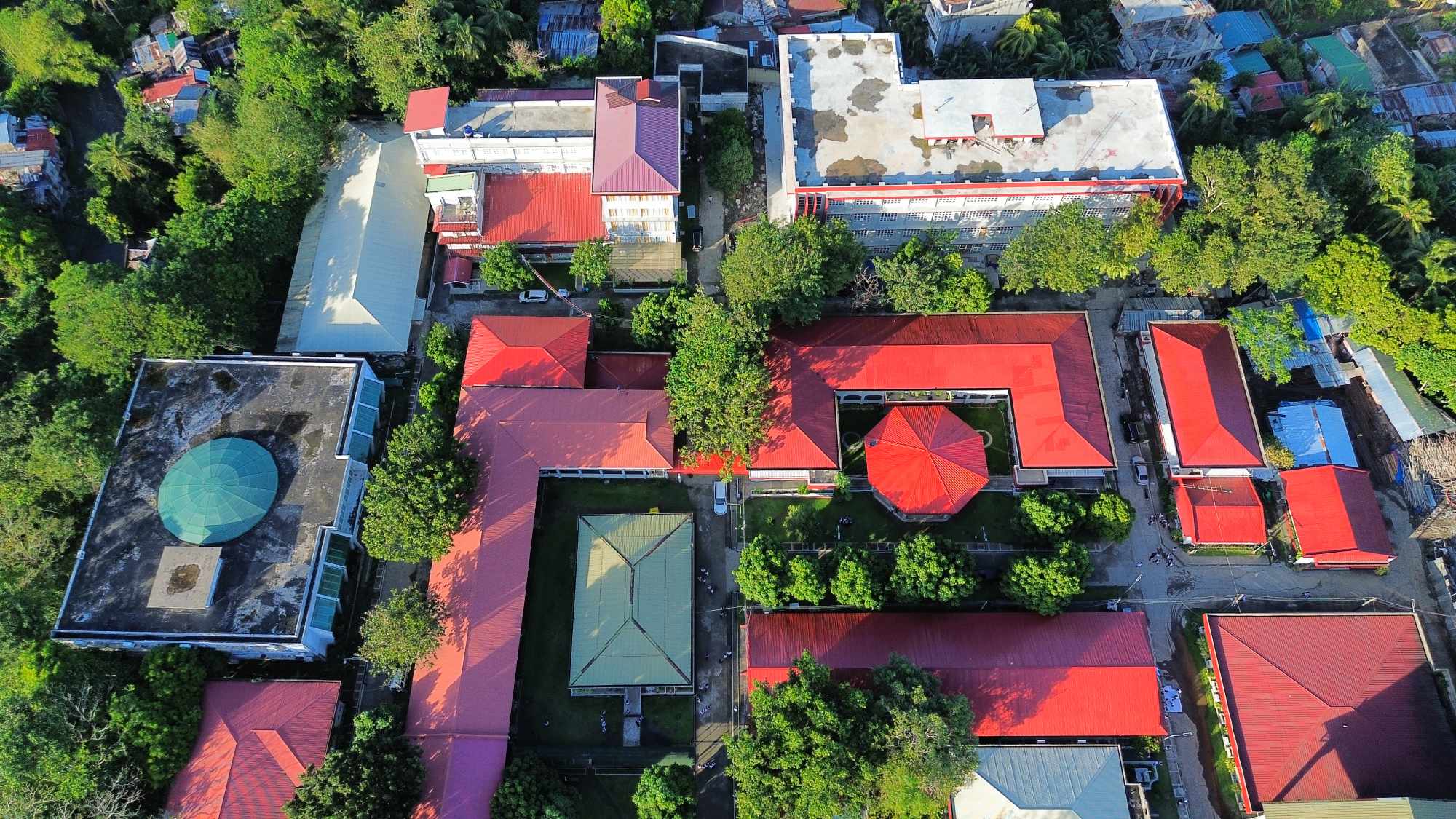
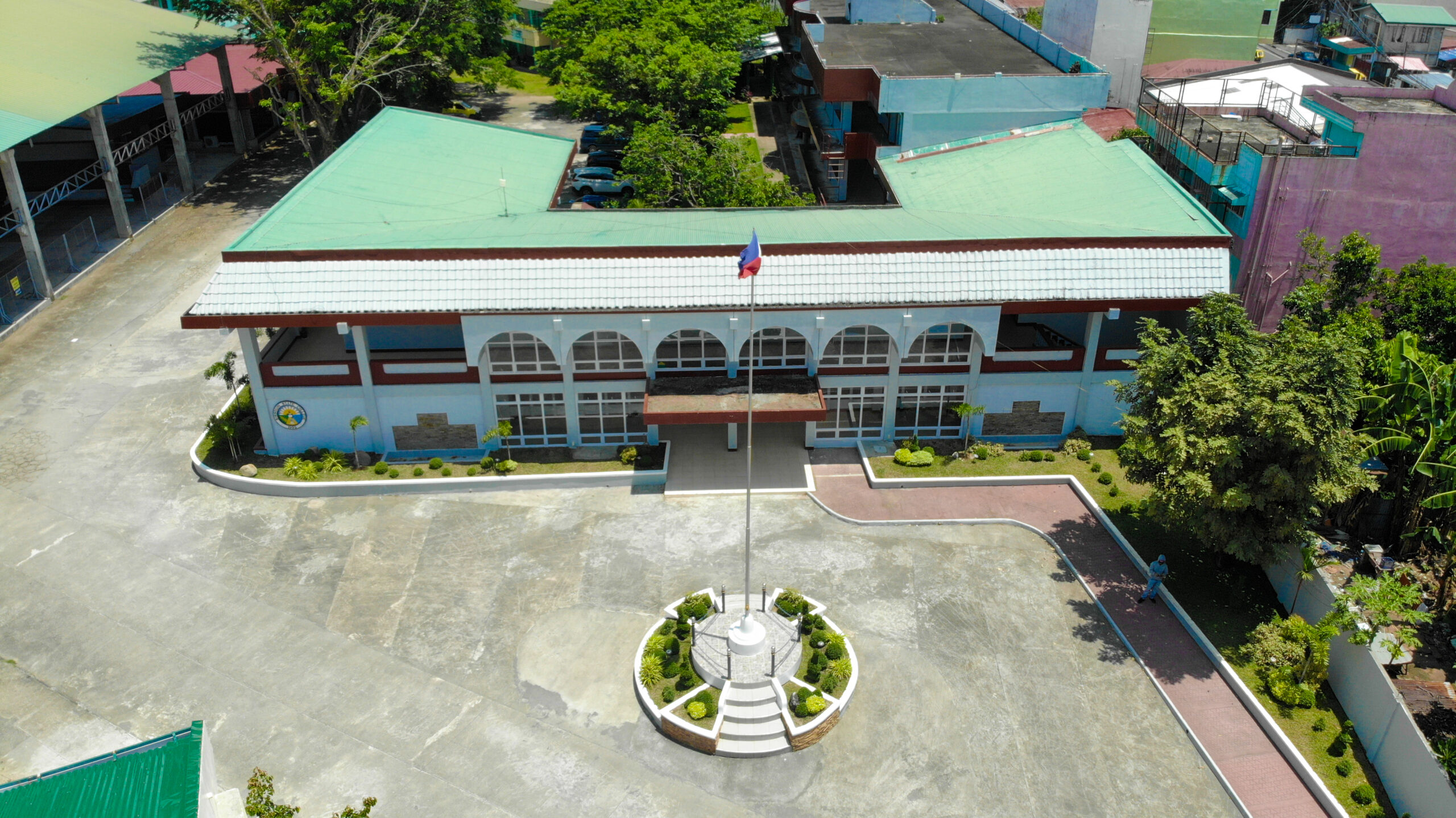
The Sorsogon State College was established by virtue of Republic Act No. 7666 approved on December 30, 1993, through the efforts of the late Congressman Salvador H. Escudero III. The College was operationalized through a province-wide umbrella system, where four vocational schools were integrated. The Sorsogon College of Arts and Trades (SCAT) became the School of Industrial Technology and Education (SITE) to concentrate on Teacher Education and Technology. The Sorsogon National Agriculture School (SNAS) became the School of Agriculture and Agriculture Based Technology (SAABT), to concentrate on Agriculture and Agriculture Based Technology. Bulan Vocational High School was renamed School of Arts and Trades (SAT) and became Institute of Management and Information Technology (IMIT) to concentrate on Business Management and Information Communication Technology (ICT), and Magallanes School of Fisheries became School of Fisheries and Fisheries Based Technology (SFFBT) to concentrate on Fishery Technology and Fisheries Resource Development. The main campus is located at Magsaysay Street, Sorsogon City. Later, the campuses were renamed into Sorsogon State College Sorsogon City Campus, Bulan Campus, Castilla Campus, and Magallanes Campus.
Dr. Augusto R. Nieves became the first president of the college and served for two terms. He instituted reforms in the academic and institutional policies, which contributed to the development of the college and to its prestige as a reputable institution in the province and in the region. He was succeeded by Dr. Antonio E. Fuentes who had two terms from 2005. During his term, he looked into the enhancement of the faculty development program, curriculum development, and program accreditation. Dr. Fuentes was succeeded by Dr. Modesto D. Detera who pushed for new course offerings, improved faculty development program, and quality instruction, which led to the increase of the number of board examination topnotchers and board exam passers. Likewise, research done by the college contributed much to the tourism and trade industry of the province. Following Dr. Detera is Dr. Helen R. Lara, the first lady President of Sorsogon State College, recognized for her efforts in the certification of Sorsogon State College into a University. Dr. Lara was credited for the turnover of the administration and operation of the Sorsogon Community College, and the full transfer of the College of Engineering to Baribag Extension Campus.
On October 11, 2018, House Bill No. 6203 sponsored by Representatives: Hon. Evelina G. Escudero, Hon. Deogracias B. Ramos Jr., and Hon. Anthony Bravo, was enacted into law through Republic Act No. 11088, approving the conversion of Sorsogon State College into Sorsogon State University. It became a full-fledged University upon compliance with Section 19 of said Act and upon official university declaration ceremony of the Commission on Higher Education (CHED) last May 8, 2021.
Further, on July 22, 2022, Dr. Geraldine F. De Jesus became the first University President announced during the 110th Sorsogon State University Board of Regents Meeting. She is at the helm of the University who advocated for a shift in the overall character of the institution as a “Pamantasang May Puso” (“University with a Heart”), strengthening the chain that binds all personnel to collaborate, cooperate, and build on capacities to strengthen, sustain, expand, and develop students, programs & projects, processes, and provide support for excellent instruction, student support services, aggressive research development & extension, internationalization initiatives and engage in viable production activities for the development of the province and beyond.
Achievements and Milestones
Over the years, SorSU has produced a number of quality graduates, including topnotchers during the National Licensure Examinations in the fields of Education, Engineering, and Fisheries. It was specifically recognized by the Philippine Professional Regulation Commission (PRC) as a top performing school with the most number of passers for licensures in Education, Mechanical Engineering, and Registered Master Electrician.
Moreover, as of February 29, 2024, Sorsogon State University (SorSU) historically obtained a prestigious position, securing Top 89 among the 229 universities across the Philippines, during the ranking evaluation conducted by EduRank, positioning itself as the top SUC in the Bicol Region — such a remarkable achievement places SorSU in the forefront of academic institutions on a national level, establishing itself as one of the premier universities in the country. SorSU is one of the only three academic institutions in the entire Bicol Region to accomplish this impressive feat, with Ateneo de Naga University (private Higher Education Institution) as Rank 44 and Bicol University (BU) in 94th Place — thus ranking Top 1 among the State Universities and Colleges (SUCs) in the region.
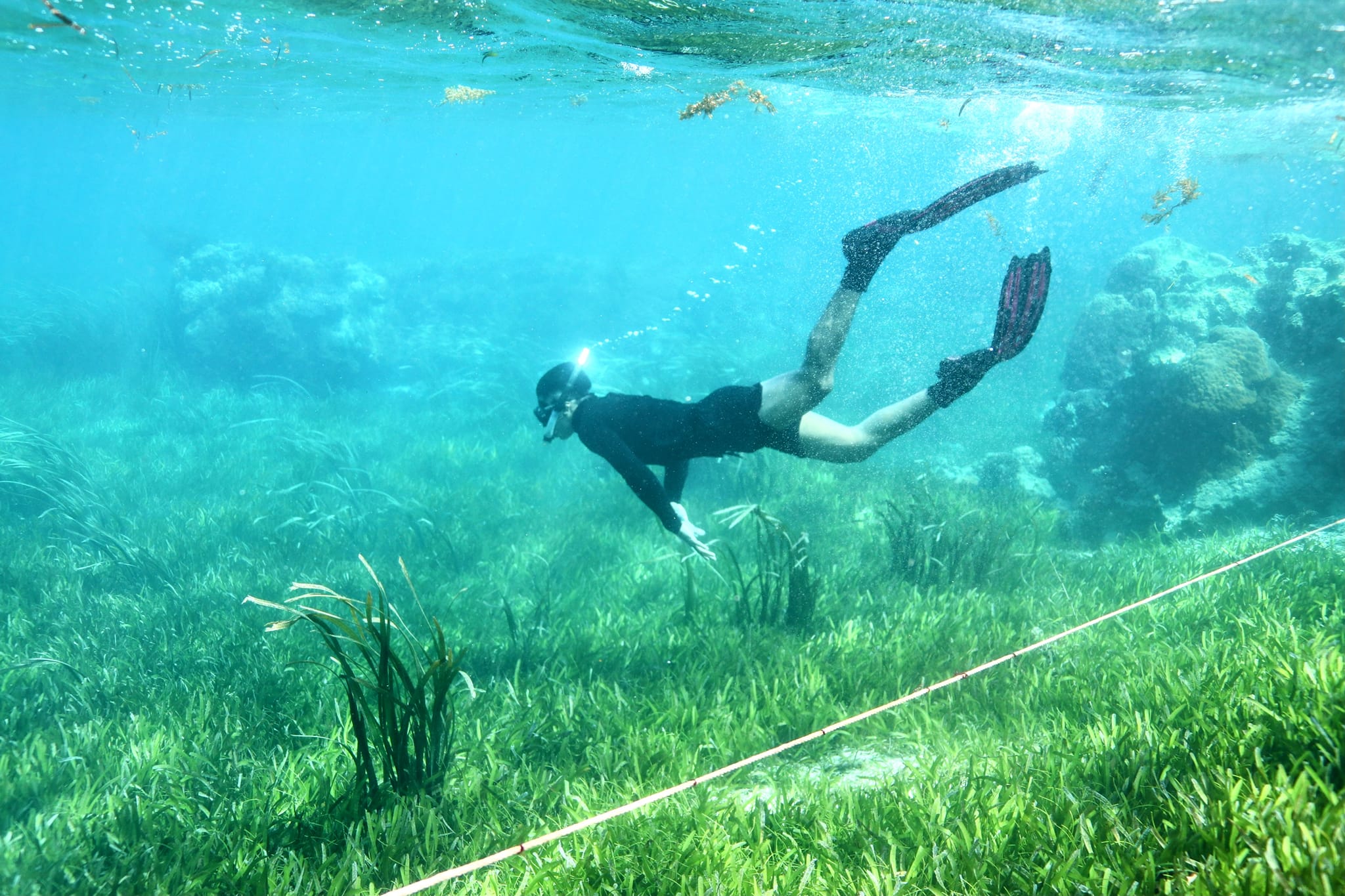
SorSU puts emphasis in research, extension and training, and partnerships to different state universities, agencies, government units, and other forms of linkages in order to establish academic exchanges for a common cause in the local, regional, national and international levels. As of May 2024, the University is proud to establish seven (7) Research and Innovation Centers catering to different fields and niche of its campus namely: Botanical Research Center (The Herbarium Sorsogonense), Sorsogon Marine Biodiversity Research Center (SMBRC), Sorsogon Policy Research Center (SorPReCe), Sorsogon Food Development Research Center, Sentro ng Wika, Panitikan at Kultura, Sorsogon Bamboo Research Center, and the Sorsogon Pili Lagting Research Center. It also highly values its research through the “Sorsogon Multidisciplinary Research Journal”, the first peer-reviewed journal of the institution — an avenue of research publication and dissemination.
In its continuous pursuit of advancing the academe’s vision of becoming a premier research university on a global scale and a notable stride of upholding excellence, SorSU remarkably ranked 56th among the 281 universities across the country and 37th out of 179 public universities based on the Alper-Doger (AD) Scientific Index 2024, with twenty-two commendable faculty members recognized in World Scientists Rankings 2024 — further elevating the University’s name at the forefront of leading universities in the Philippines with outstanding scientific/scholarly undertakings and contributions in various disciplines.
Since SorSU resides in the land where the famous Pili tree is the most abundant in the Philippines, especially the oldest ones are found in the province, the University partnered with the Provincial Government of Sorsogon in the Pili Roadmap Program — a program aimed to generate new knowledge on Pili trees of Sorsogon as it seeks the recognition of the province as the “Pili Capital of the Philippines”. SorSU also successfully hosted the first Southeast Asian Multidisciplinary Research Expo and Extension Conference (SEAMREEC) 2023, last March 1-4, 2023, at the Sorsogon Convention Center, Sorsogon City. Likewise, this is the first International Multidisciplinary Research and Extension Conference organized and held in the Province of Sorsogon.
The University is a proud three-time Selyo ng Kahusayan sa Wika at Kultura (Seal of Excellence in Language and Culture) awardee of the Komisyon sa Wikang Filipino (KWF). With this achievement, the university was awarded the “Dangal ng Wika at Kultura 2024”. This accolade is given to centers (Sentro ng Wika at Kultura) who have been awarded the Seal of Language and Culture three (3) times and continue to carry out and support the linguistic and cultural activities of the KWF. Notably, SorSU was honored with the prestigious 2024 Agila Award, conferred by the Bureau of Treasury in recognition of its exceptional leadership, operational efficiency, and outstanding service delivery. It is also a recipient of the Prime Human Resource Management bronze award and is among the first government institutions in the province to acquire the ISO 9001:2015 Quality Management System Certification, awarded by the Government Quality Management Committee (GQMC) in 2017.
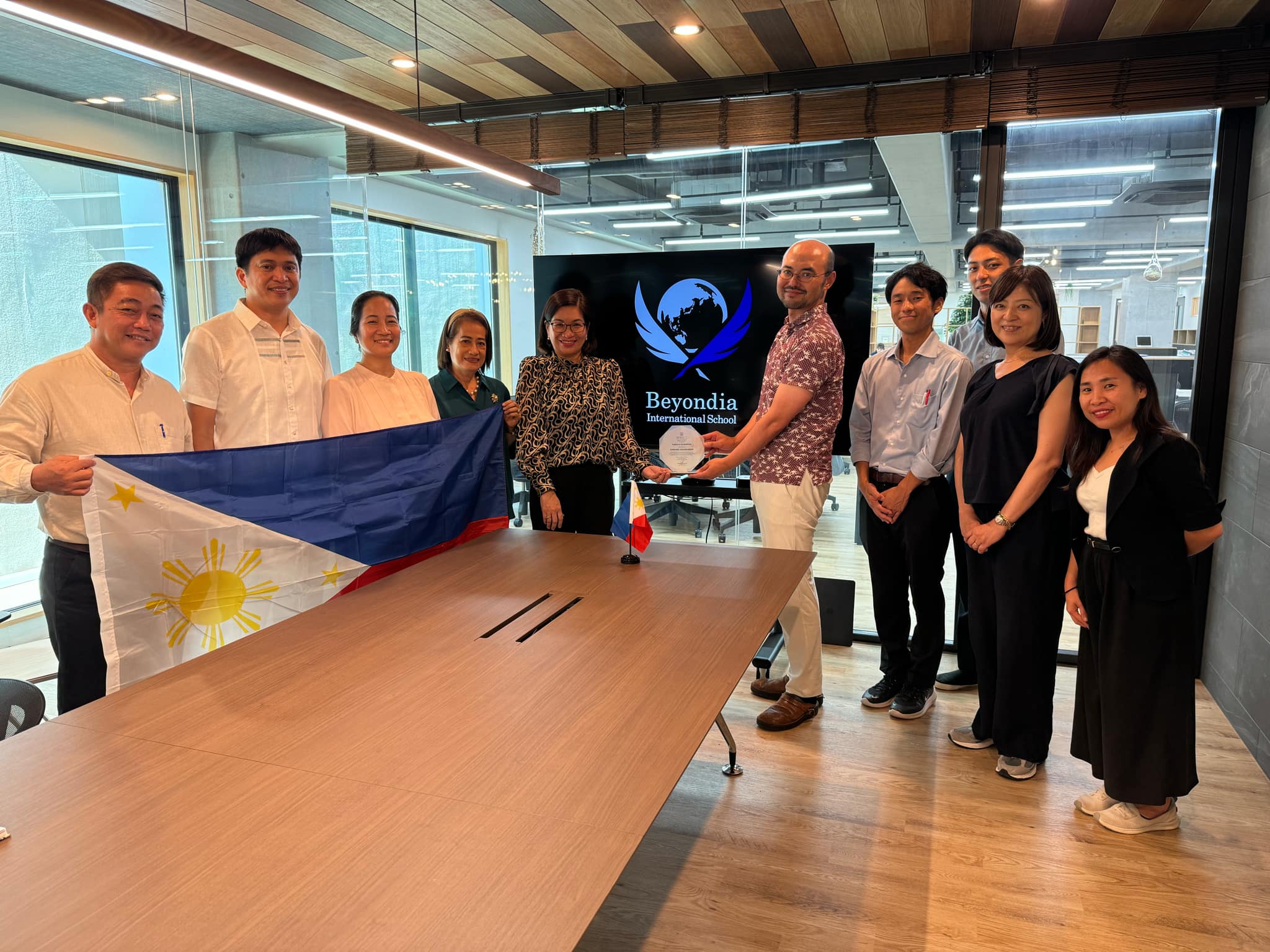
In the dynamic landscape of global higher education, the Sorsogon State University (SorSU) has emerged as a beacon of academic excellence and international collaboration through its Global Education Program. Its international support centers have set the groundworks in building the foundation of SorSU as an ASEAN University. The university’s strategic initiatives have positioned it at the forefront of internationalization in the region forging eighteen (18) on-going active partnerships with various academic institutions and education-related institutions abroad, strengthening the students and faculty mobility (international faculty/students, exchange programs and internships abroad), and establishing robust support networks through its active memberships in the international university networks.
Hereunder is the vision, mission, core values, quality policy statement, and goals of the institution:
VISION: A research university with a culture of excellence in developing globally competitive and values-oriented leaders and professionals
MISSION: To provide research-based quality education, innovations, and collaborative extension services for sustainable national and international development
CORE VALUES
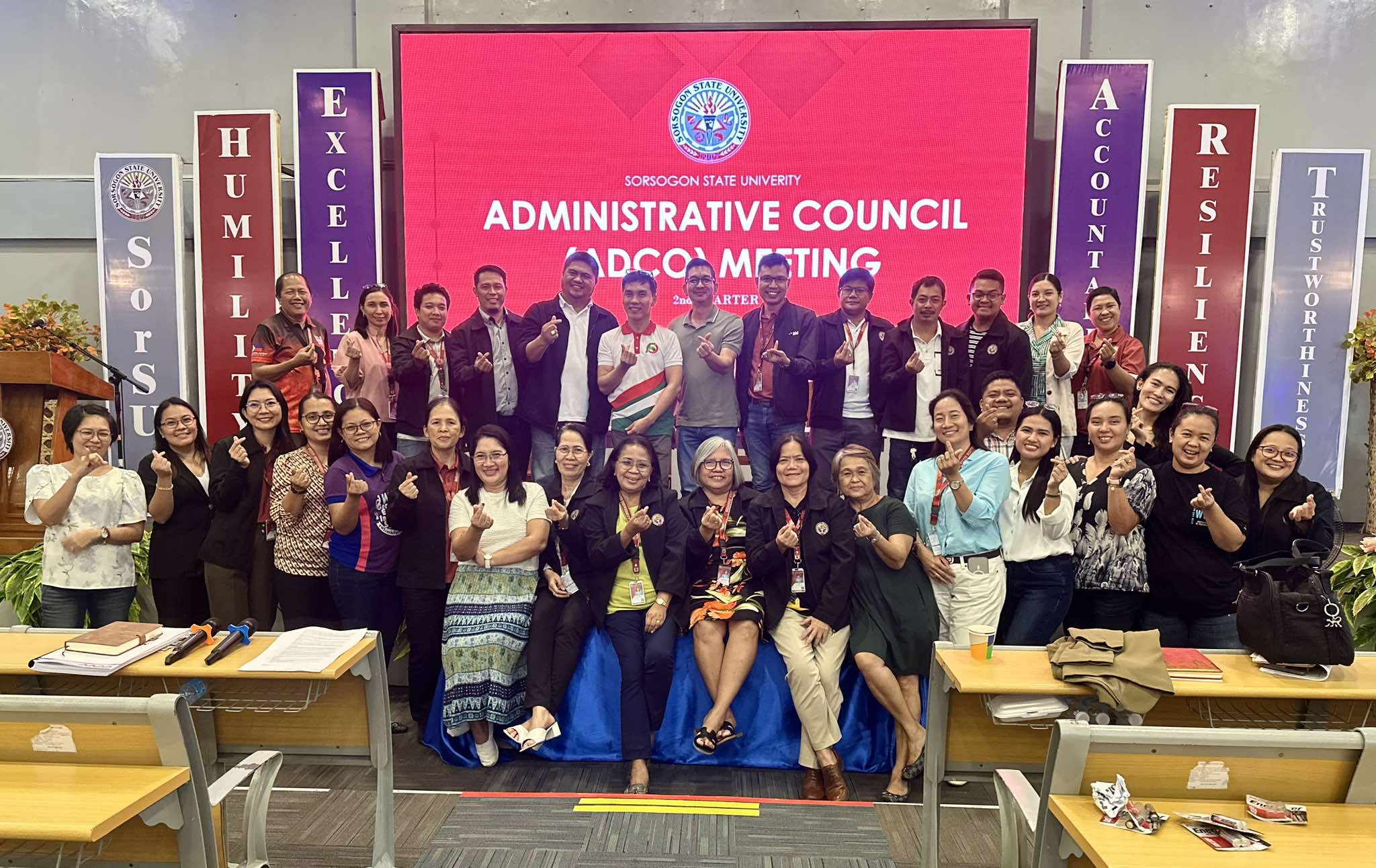
Humility
Excellence
Accountability
Resiliency
Trustworthiness
QUALITY POLICY STATEMENT: The Sorsogon State University commits to deliver quality education anchored on its vision and mission for the development and growth of the community. SorSU shall transform knowledge through research, instruction, extension, and production as it adheres to statutory and regulatory requirements for continual improvement of its systems.