The Learning Crisis: A Call to Action
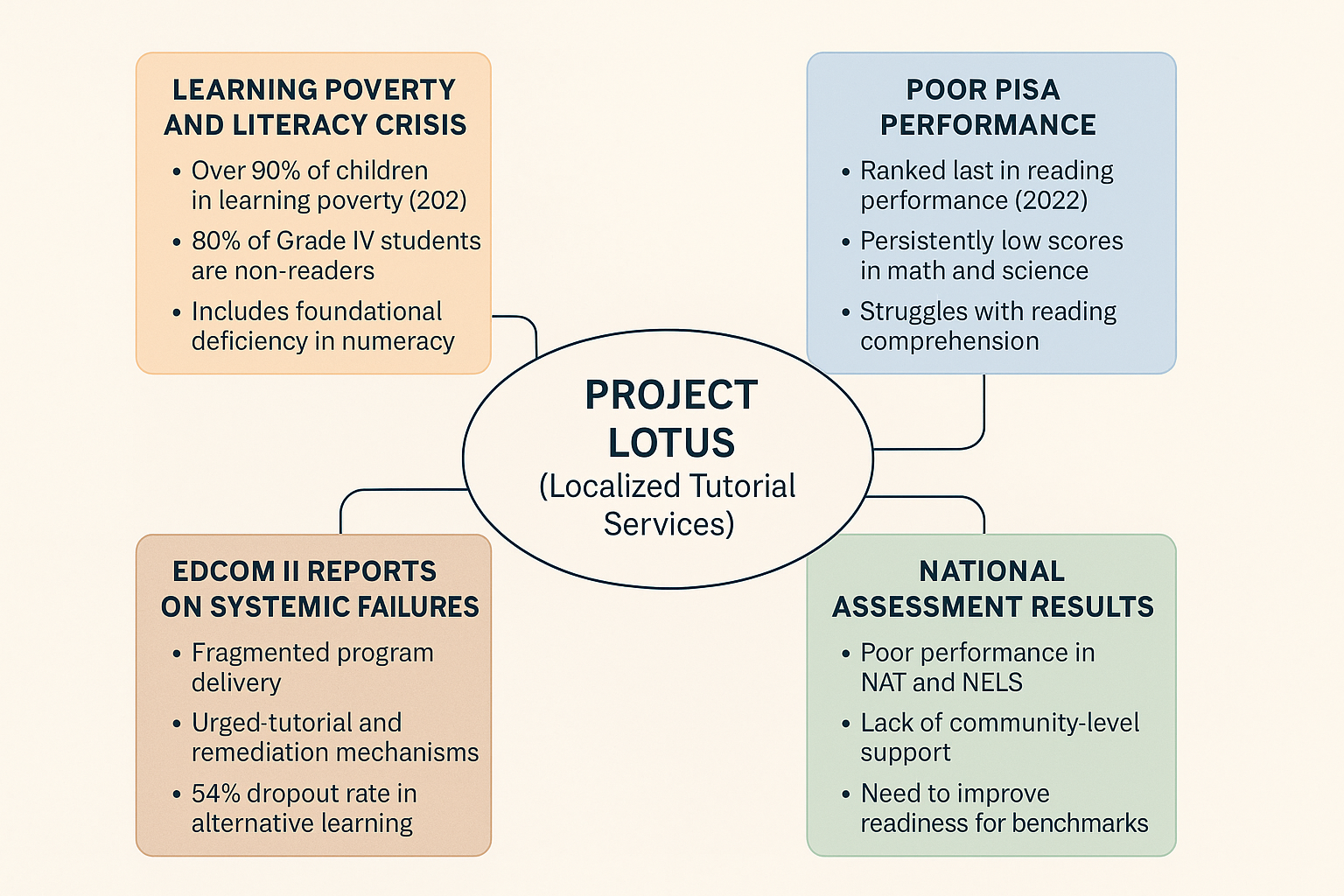
The need for Project LOTUS became even more urgent in light of growing evidence about the country’s education crisis. In 2023, the World Bank reported that nine out of ten Filipino 10-year-olds were unable to read and understand a simple text—placing the Philippines’ learning poverty rate at a staggering 91%. This figure was almost triple the government’s previous estimates and underscored the severity of the learning deficit.
Further reinforcing this concern, the Program for International Student Assessment (PISA) 2022 results revealed that only 24% of Filipino students achieved minimum proficiency in reading, with even lower proficiency rates in mathematics and science. Filipino students ranked among the lowest globally, highlighting not just access issues, but fundamental problems in quality and learning outcomes.
The crisis isn’t limited to students alone. A World Bank study has also drawn attention to serious challenges in teacher preparation and competence. Many teachers were found to lack mastery of the subjects they were assigned to teach. In addition, chronic teacher absenteeism and poor instructional quality have contributed to stagnant or declining student performance, especially in public schools.
Nationally, the Philippine Department of Education has acknowledged that the curriculum has not prioritized foundational skills, which has caused many students to fall behind from the earliest stages of their education. As early learning deficiencies accumulate, students struggle to catch up in later grades, leading to high dropout rates and limited lifelong opportunities.
Project LOTUS: Bridging the Gap
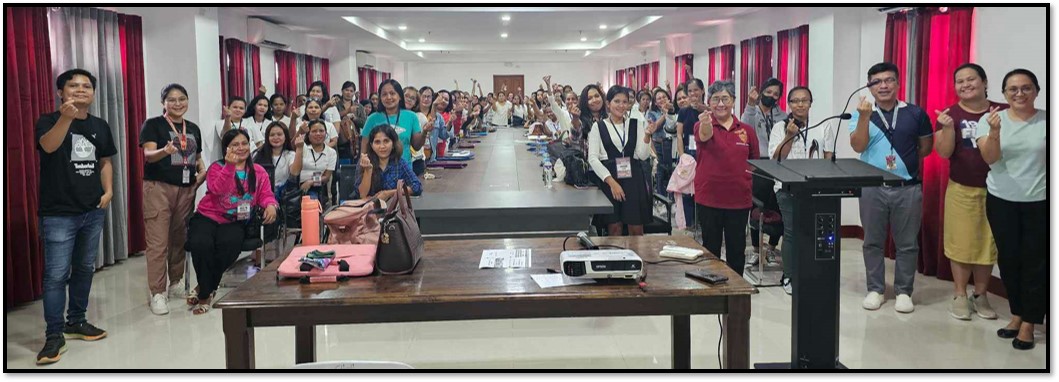
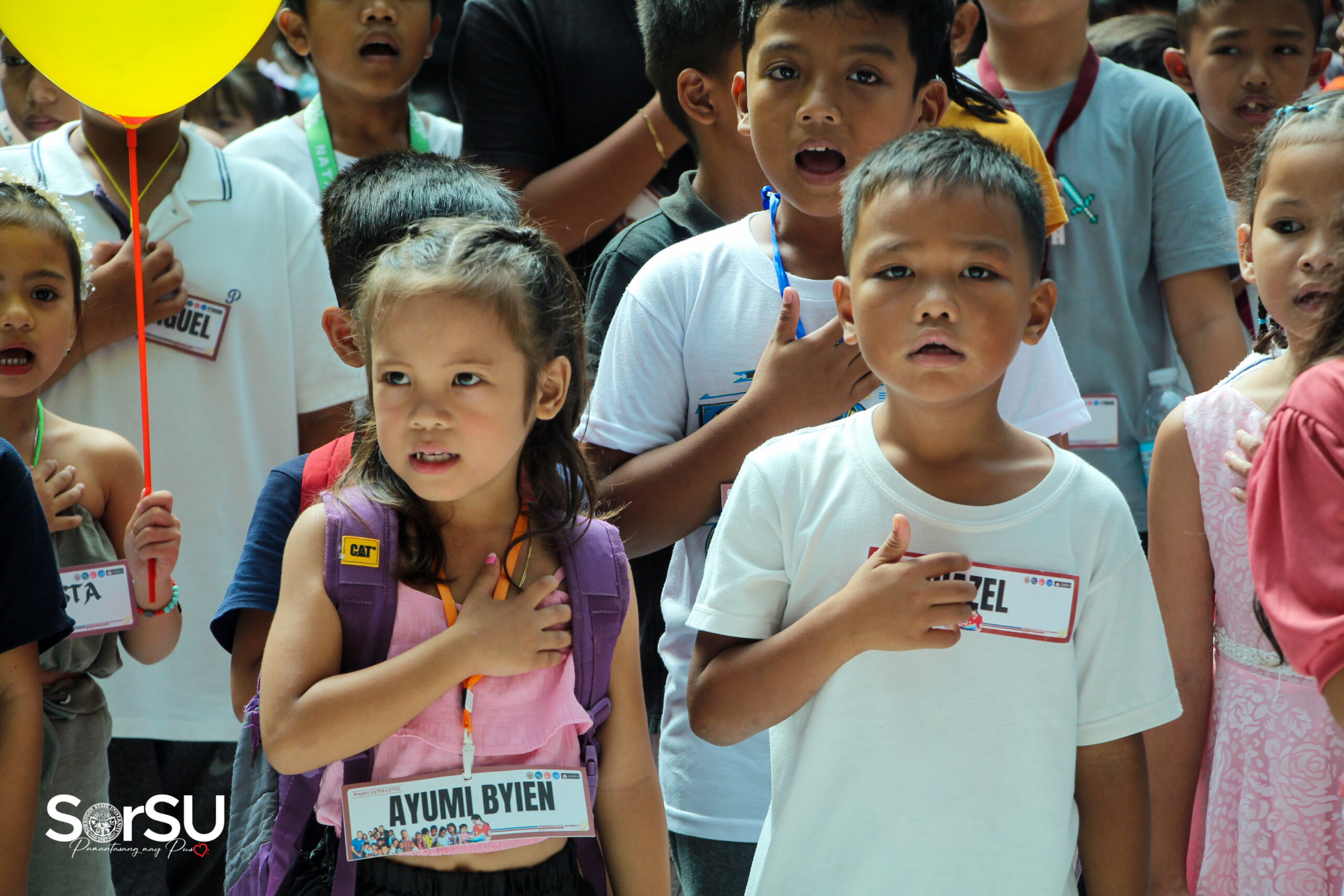
In this deeply challenging landscape, Project LOTUS stands as a vital intervention. The project deploys volunteer-driven, community-based tutorial sessions that focus on improving learners’ skills in reading and numeracy—two essential foundations for academic success and lifelong learning. By localizing tutorial services, Project LOTUS ensures that support is delivered directly within learners’ communities, removing barriers such as transportation, technology access, and cost.
The program adapts to a variety of learning contexts by offering flexible delivery modes, including face-to-face tutorials in schools, barangay centers, and even homes, as well as modular support for learners with limited availability. At the heart of the initiative is the belief that personalized, consistent, and compassionate tutoring can help close learning gaps and build learner confidence.
Alignment with National Reforms
Project LOTUS aligns with the national government’s broader educational reforms. The Second Congressional Commission on Education (EDCOM II) has emphasized the urgent need to focus on foundational skills, equity, and community-based solutions. Project LOTUS reflects these priorities by addressing learning gaps through localized support and by empowering educators, parents, and volunteers to actively participate in education recovery.
It also complements the Department of Education’s MATATAG Agenda, which seeks to decongest the curriculum, improve learning delivery, and ensure that every child achieves literacy and numeracy proficiency in the early grades. With the introduction of programs like the National Learning Camp, there is a growing recognition that sustained remedial interventions, like those offered by Project LOTUS, are critical to meaningful and inclusive learning recovery.
Further Justifications
The Philippines’ educational system has faced profound structural and performance-related challenges from 2020 to 2024. These were exacerbated by the COVID-19 pandemic, which disrupted learning for millions of Filipino students, and further highlighted systemic issues such as learning poverty, weak foundational skills, and limited reach of equitable support systems.
In this climate, Project LOTUS emerged as a targeted response—a localized, tutorial-based intervention to address acute learning gaps, particularly in reading, literacy, and numeracy. Its design draws support from research and findings from national and international assessments and commissions.
Strategic Response:
The Emergence of Project LOTUS
Project LOTUS was developed and implemented from 2020 onward as a community-driven, volunteer-supported tutorial service, designed to:
– Address literacy and numeracy gaps in Grades 1–6.
– Mobilize local tutors including senior high school and college volunteers.
– Operate after school hours and during weekends to reinforce classroom instruction.
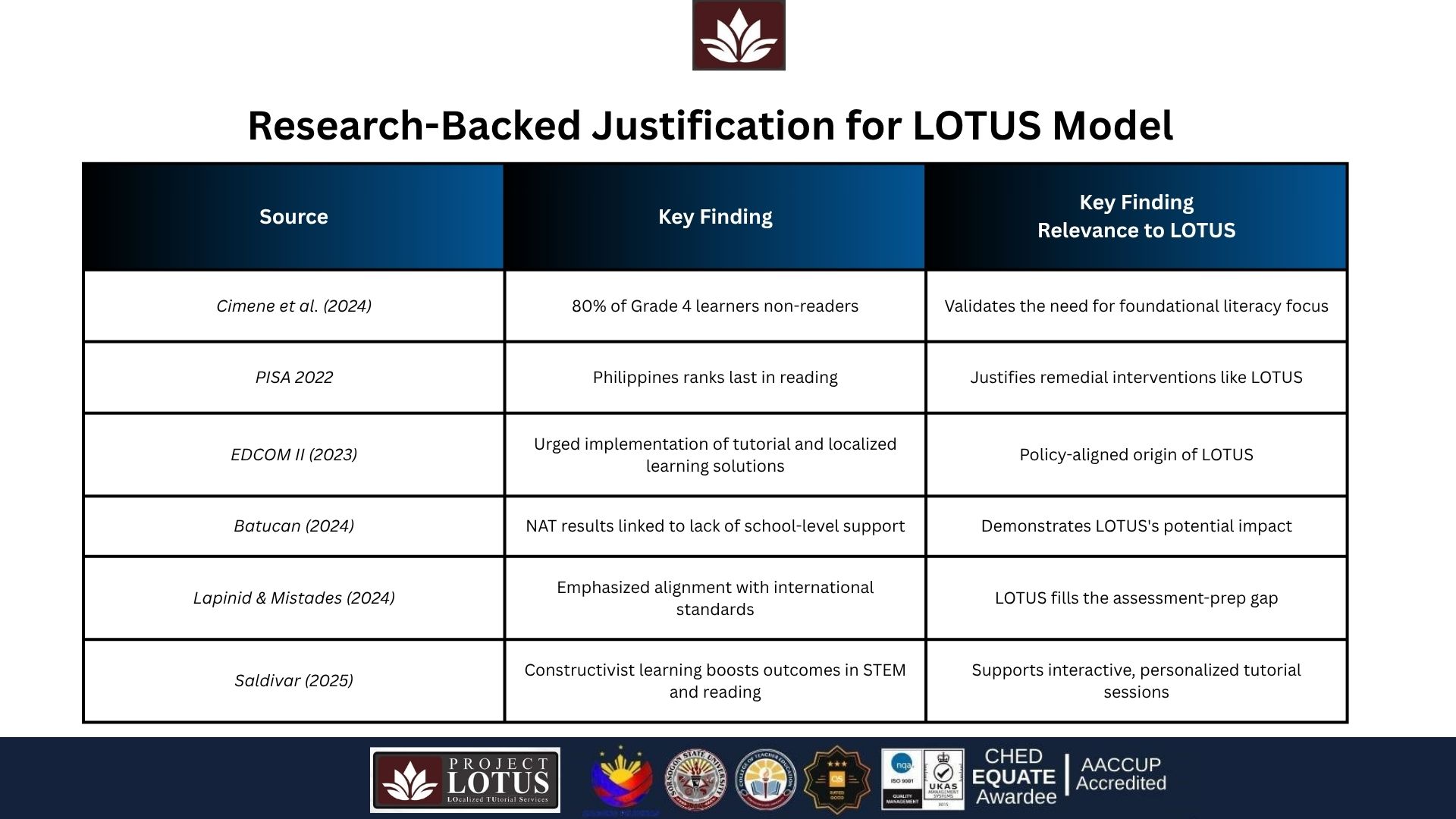
Research-Backed Justification for LOTUS Model
Project LOTUS is grounded in strong research evidence, with multiple studies highlighting the urgent need for localized and structured tutorial interventions. Key findings include the high rate of non-readers among Grade 4 learners (Cimene et al., 2024), the Philippines’ poor ranking in international reading assessments (PISA 2022), and national calls for remedial education solutions (EDCOM II, 2023).
Additional studies support the model’s alignment with international standards, its role in boosting STEM and reading outcomes through constructivist learning (Saldivar, 2025), and its potential to address gaps in school-level academic support (Batucan, 2024). Collectively, these insights affirm that LOTUS is a timely, policy-aligned, and impact-driven educational response.
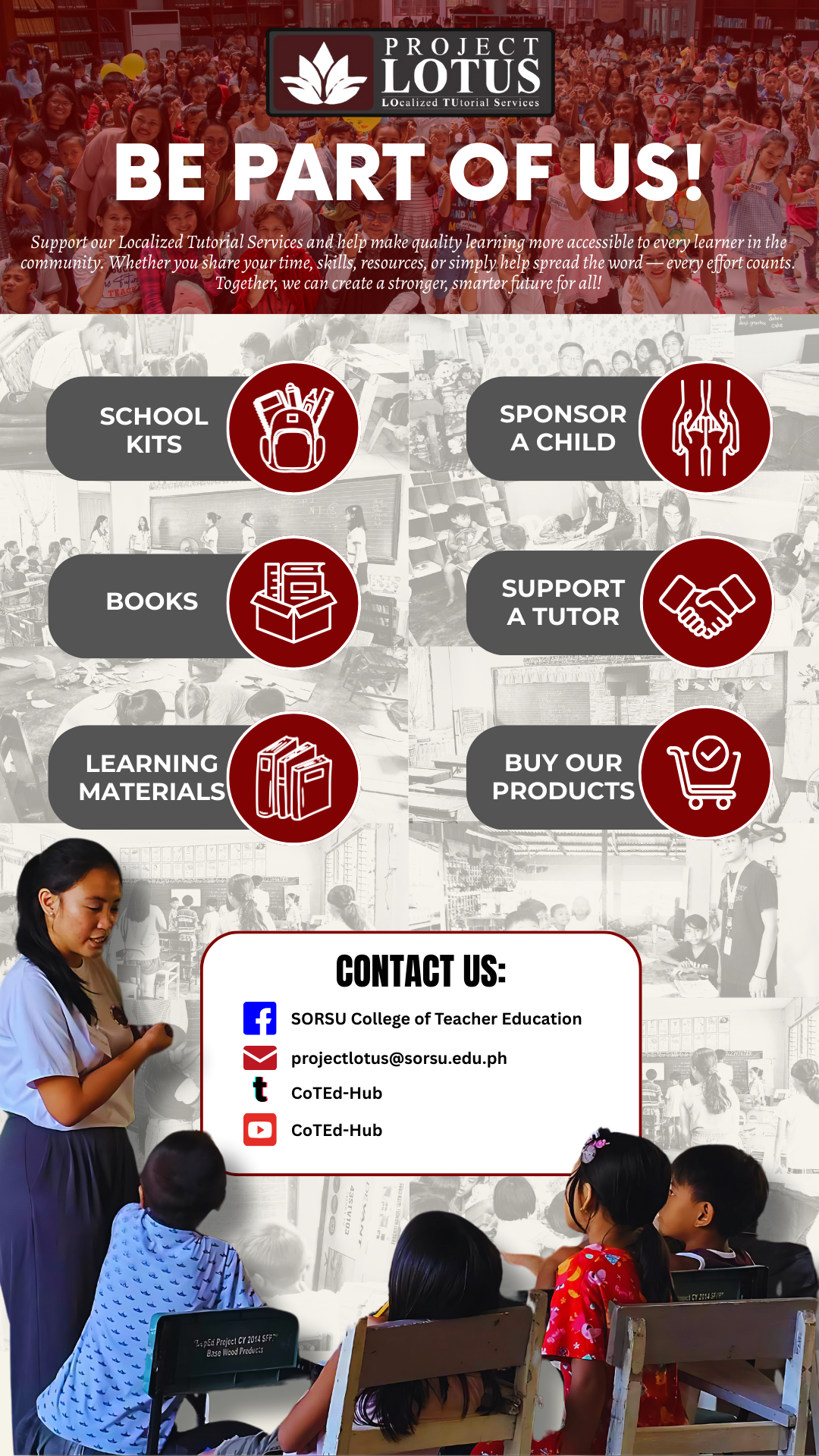
Be part of us!
Join us for a better life and beautiful future
Your generosity fuels Project: LOTUS’s mission to bridge educational gaps and create lasting change. Together, we’re cultivating a community where every child has the opportunity to learn, grow, and succeed.